Things to Do in Mozambique in August
August weather, activities, events & insider tips
Shoulder Season · Good Value
August Weather in Mozambique
Long-run averages for August in Maputo
80°F (26°C)
High Temp
58°F (14°C)
Low Temp
0.6 inches (15 mm)
Rainfall
69%
Humidity
6
Sunny-Day UV
⚠ Mozambique carries malaria risk every month, August included. Dry season cuts mosquito numbers, not danger. Start antimalarial prophylaxis before departure. Apply DEET at dusk and dawn. Non-negotiable.
⚠ Southern coast winds hit 25 to 35 km/h (15 to 22 mph) on exposed beaches. Strong enough to ground boats to Bazaruto for a full day. Build slack into island plans.
⚠ Inland areas like Gorongosa see temperature swings past 15 degrees C (27 degrees F) between dawn and midday. Layer up for early starts. Strip down by mid-morning.
Making the most of August in Mozambique? Browse tours and activities in Mozambique on GetYourGuide.
Is August Right for You?
Weigh the advantages and considerations before booking
Advantages
- + August sits squarely in Mozambique's dry season. Clear skies dominate the Indian Ocean coastline day after day, with virtually no rain south of the Zambezi. Diving visibility off Tofo Beach regularly exceeds 25 m (82 ft). Trails through Gorongosa National Park stay dry enough to reach hides and waterholes that wash out entirely by January. Roads remain passable. Ferries run on time. Domestic flights stick to schedule. This is Mozambique at its logistical best.
- + Humpback whales migrate north along the Mozambican coast from roughly June through October. August brings peak concentration between Inhambane and the Bazaruto Archipelago. Spot breaches from the sand at Barra Beach without spending on a boat. Ocean safari operators out of Tofo run morning departures that put you within a few hundred metres of mothers and calves. The water temperature hovers around 23 to 24 degrees C (73 to 75 degrees F). Cool enough for whale sharks to linger in the plankton rich shallows near the reef.
- + Daytime temperatures of 26 degrees C (80 degrees F) with overnight lows near 14 degrees C (58 degrees F) make August good for walking Maputo. Humidity still hits 70 percent. Without February's suffocating 31 degrees C (88 degrees F) heat, mornings along the seaside Marginal promenade feel pleasant. At Gorongosa, inland mornings dip to single digits Celsius. Wildlife concentrates around shrinking water sources. Game drives become far more productive than in wet months.
- + Mozambique draws fewer international visitors than its East African neighbours even in high season. August delivers dry season conditions without the overcrowding of Tanzanian parks or Kenyan reserves during the same period. Outside Maputo and the Tofo Beach corridor, you will likely have stretches of coastline and island beaches along the Quirimbas and Bazaruto archipelagos largely to yourself. This solitude would cost a fortune in the Maldives or Seychelles.
Considerations
- − August is peak season for South African visitors. Many drive across the border at Ressano Garcia for long weekend beach trips to Ponta do Ouro and Inhambane. Accommodation along the southern coast books up weeks in advance. The EN1 highway between Maputo and Inhambane, a roughly 480 km (298 mile) stretch, slows to a crawl on Friday afternoons with Johannesburg plated vehicles. Reserve lodging at Tofo or Vilankulo by mid July. Wait longer and your options narrow considerably.
- − Cabo Delgado province in the far north remains a security concern heading into August 2026. The insurgency disrupting the region since 2017 continues to affect travel to parts of the Quirimbas Archipelago and the area around Mocimboa da Praia. Most embassies advise against all but essential travel north of Pemba. This removes some of Mozambique's most spectacular coastline from a first timer's itinerary. The south and centre of the country, including Maputo, Inhambane, Vilankulo, Gorongosa, and Ilha de Mocambique, are broadly safe. Check current advisories before committing to northern routes.
- − August mornings are cold by Mozambican standards. At Gorongosa or in the highlands around Chimanimani, early game drives and hikes start at 8 to 10 degrees C (46 to 50 degrees F). Pack only for a tropical beach holiday and you will shiver in an open safari vehicle before sunrise. The temperature swing between dawn and midday can be 15 degrees C (27 degrees F) or more. This catches first timers off guard every year.
Short on time in August? See day trips around Mozambique on GetYourGuide.
Best Activities in August
Top things to do during your visit
August lands squarely in Mozambique's cool dry season, when the southern hemisphere winter strips humidity from the coastal air and drops overnight temperatures to a level that calls for a light jacket after dark. Daytime highs hover around 26 degrees Celsius along the coast, and rainfall is negligible, barely 15 millimeters for the entire month. The Indian Ocean, still warm enough for comfortable swimming, glints a sharper blue under skies that stay clear for days at a stretch. Inland, the bush thins out as deciduous trees shed their leaves, which means wildlife congregates around shrinking water sources and sightlines open up across the savanna in ways the green season never permits. For travelers arriving in Maputo, Mozambique's capital hums with a particular energy in August. The jacaranda trees lining Avenida Julius Nyerere have not yet bloomed, so the city feels more raw, more concrete and coral stone and rusted iron, than it does in the purple-canopied spring. Restaurants along the Marginal serve peri-peri prawns on open-air terraces where the evening breeze off the bay carries the salt-and-charcoal smell of grilled seafood from a dozen kitchens at once. The dry weather makes walking the city's cracked sidewalks and colonial-era arcades pleasant rather than the sweat-soaked endurance test of January. Mozambique rewards slow exploration in this season: the light is golden and low in the afternoons, the pace is unhurried, and the coast from Maputo south to Ponta do Ouro is at its most accessible, with unpaved roads firm and passable instead of rutted with monsoon mud. This is also prime season for the reserves south of the capital, where the dry conditions push elephant herds, hippos, and flamingos toward the remaining pans and lakes. The beaches along the southern coast, from Inhambane down through Tofo and Barra, draw visitors who want warm water without the oppressive heat of the wet months. Mozambique in August has a clarity, both atmospheric and logistical, that the shoulder and wet seasons cannot match.

2-Day Maputo Special Reserve Guided Tour
guided_experienceThe Maputo Special Reserve sprawls across 1,040 square kilometers of coastal wilderness south of the capital, where freshwater lakes fringed with papyrus give way to towering sand dunes that drop straight into the Indian Ocean. Over two days, this guided tour pushes deep into a landscape most visitors only skim: expect to track elephant through open miombo woodland in the early morning chill, hear hippos grunting from Lake Piti as the sun crests the treeline, and sleep in the reserve with nothing between you and the Southern Cross but mosquito netting and the rustle of reed beds. The second day opens with a drive along the coast, where the sand is so white it hurts to look at unshaded, and the air tastes of salt and the faintly sweet decay of washed-up kelp.
Two days inside the reserve means reaching the interior lakes and coastal dune forests that day-trippers never see, with overnight immersion in one of southern Mozambique's last great wild landscapes.
Insider tip: Request the northern circuit on your first morning, as the elephants tend to gather near the freshwater pans at the reserve's northern boundary during the dry months, and the light for photography is best before eight in the morning when the mist lifts off the water.
This month: August's dry conditions mean thinner vegetation and lower water levels across the reserve's pans, concentrating wildlife around fewer water sources and dramatically improving game-viewing sightlines compared to the wet season.

Maputo Street Art Private Walking Tour
walking_tourMaputo's street art scene is not decorative afterthought but political commentary rendered in aerosol across crumbling colonial facades and poured-concrete apartment blocks. This private walking tour threads through the Baixa and surrounding neighborhoods where murals by Mozambican artists cover entire building sides, their colors still sharp against sun-bleached plaster. You will smell roasting cashews from sidewalk vendors as you move between pieces, feel the uneven mosaic-tile sidewalks under your feet (a remnant of Portuguese-era calçada work, now buckling and patched), and hear the particular Maputo soundtrack of minibus horns, Marrabenta music bleeding from open doorways, and the metallic clatter of welders working in open-front workshops. The guide contextualizes each mural within Mozambique's post-independence cultural politics, which turns a walk through peeling paint into something illuminating.
The only way to decode Maputo's mural culture with someone who knows which artist painted what, why, and what happened to the wall since.
Insider tip: Wear shoes with grip, as the calçada sidewalks are slippery even when dry, and bring a water bottle because the route covers several kilometers with limited shade between the major pieces.

Maputo Special Reserve - 1 Day
otherThe single-day version of the Maputo Special Reserve experience packs a concentrated loop through the reserve's most accessible ecosystems: open grasslands where you scan for reedbuck and wildebeest, dense thickets along seasonal streams where birding is exceptional, and the surreal transition zone where freshwater wetlands abut Indian Ocean dunes. Even in a single day, the sensory range is striking. The morning air in the reserve carries the dry, papery scent of fallen miombo leaves underfoot, and by afternoon, when the vehicle crests the dunes, you catch the salt wind full in the face and hear surf pounding a coastline that stretches empty in both directions. Mozambique's wildlife density here will not rival the Serengeti. But the solitude is the point: entire drives pass without seeing another vehicle.
A full-day immersion in the Maputo Special Reserve for travelers without the time for an overnight, covering grassland, wetland, and coastal dune habitats in a single circuit.
Insider tip: Bring binoculars for the freshwater lakes, where flamingos, pelicans, and fish eagles are often visible from the vehicle tracks but too distant for phone cameras.
This month: August is the driest month in the reserve, with barely any rainfall. The dry conditions firm up the sand tracks, making the coastal dune sections more reliably passable than during the wet season.

Swaziland Cultural Day Trip
day_tripThis day trip crosses from Mozambique into the Kingdom of Eswatini (historically known as Swaziland), trading the Indian Ocean lowlands for highland terrain where the air is noticeably cooler and carries the clean, mineral smell of high-altitude grassland. The cultural immersion centers on Swazi homestead visits, traditional dance performances, and craft markets where weavers produce the intricate sisal and lutindzi grass baskets that Eswatini is known for. The drive itself is part of the experience: the landscape shifts from Mozambique's flat sugarcane fields and cashew orchards through the Lebombo Mountains, where the road climbs through granite outcrops and you can feel the temperature drop with each switchback. You hear the thud of bare feet on packed earth during dance performances and taste the sour tang of emahewu, the fermented maize drink offered to visitors at rural homesteads.
A single-day cultural border crossing that moves from Mozambique's coastal lowlands into the highland kingdom of Eswatini, offering a cultural contrast sharper than most day trips anywhere on the continent.
Insider tip: Carry your passport with at least two blank pages, and confirm border post hours with your guide in advance, as the smaller crossings south of Lomahasha sometimes close earlier than posted.

Tour about Art and Architecture in Maputo City
guided_experienceMaputo's architecture tells the entire twentieth century in concrete, iron, and imported Portuguese tile: from the wedding-cake colonial buildings along Avenida Samora Machel, their balconies hung with laundry and wrapped in bougainvillea, to the brutalist post-independence structures that replaced colonial institutions with angular slabs of socialist-realist ambition. This guided tour connects the visual record to the political timeline, stopping at the Iron House (Casa de Ferro), a prefabricated steel structure designed by Gustave Eiffel's workshop that feels like stepping inside a warm tin can, and the Central Market, where the smell of dried fish and piled spices fills a cavernous interior hall. The guide draws connections between Maputo's modernist train station, with its copper dome gone green with oxidation, and the Pancho Guedes buildings scattered through the Baixa, whose organic shapes and wild surface textures made Guedes one of Africa's most original architects. You feel the heat radiating off pale limestone walls in the afternoon and hear your own footsteps echo under arcaded walkways built for shade that still works a century later.
Maputo has one of the most architecturally layered cityscapes in southern Africa, and this tour is the only structured way to read its full colonial-to-independence-to-present narrative on foot.
Insider tip: Ask the guide to include the interior of the CFM railway station if it is accessible during your visit, as the ironwork and tile details inside are far more impressive than the already-striking exterior.

Eswatini Cultural Tour
guided_experienceWhere the Swaziland Cultural Day Trip (above) emphasizes the border-crossing journey and homestead visits, this Eswatini Cultural Tour digs deeper into the kingdom's artistic traditions and craft heritage, spending more time at workshops where you watch candle-makers pour layered wax into molds at Swazi Candles and see glassblowers shape molten material at Ngwenya Glass, the heat from the furnaces palpable even from the viewing gallery. The landscape of Eswatini in August is dry highveld grassland burned gold, studded with aloes not yet in bloom, and the air at altitude is dry enough that your lips crack by midday. The tour also covers the Mantenga Cultural Village, where traditional Swazi singing, resonant and polyphonic, fills a natural amphitheater carved into a hillside beside a waterfall whose flow thins to a silver thread in the dry season. Mozambique-based travelers find this tour a useful cultural counterweight to the coast: everything here, the textures, the temperatures, the sounds, is upland and inland, a different Africa entirely from the tropical littoral.
A craft-and-culture-focused day in Eswatini that goes beyond surface-level homestead tourism into the workshops where Swazi artisans produce the glass, candles, and textiles the kingdom is known for.
Insider tip: Ngwenya Glass operates on reduced schedules on certain days, so confirm with your guide that the glassblowing furnaces will be active during your visit, as the workshop without the live demonstration is significantly less compelling.
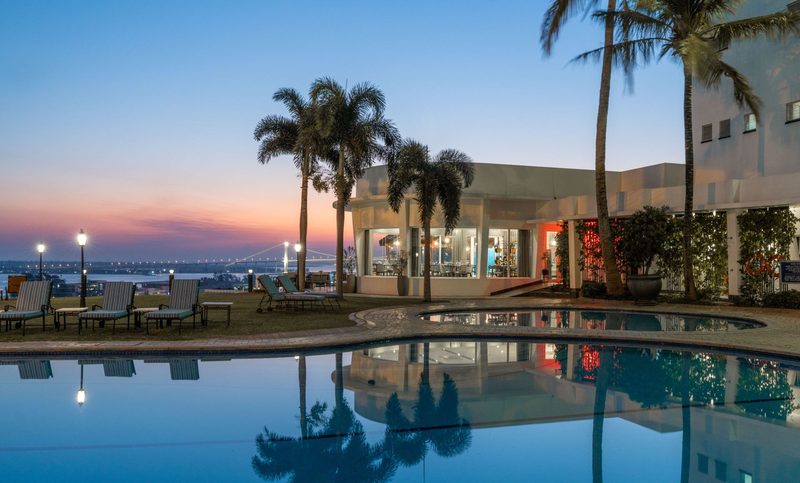
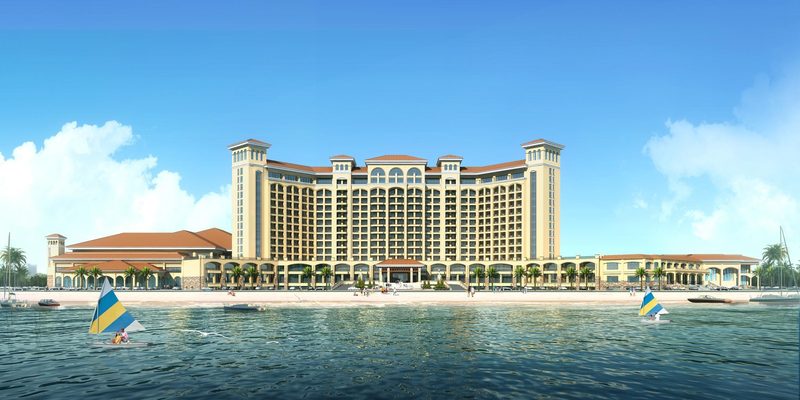
Where to Stay in Mozambique in August
Hand-picked hotels across price tiers for August travellers.
Packing Checklist
Bookmark this page — your progress is saved between visits
Need the full list with shopping links?
Climate-specific gear, brand recommendations, and what to leave at home.
View Mozambique Packing List →Essential Tips
Insider knowledge and common pitfalls to avoid
Insider Knowledge
The EN1 highway between Maputo and Inhambane has fresh tarmac in patches. But driving it still demands your full attention. Overloaded trucks hog the road. Pedestrians walk the shoulder. Locals overtake blind on curves. This is normal. If aggressive driving unnerves you, pay up for domestic flights from Maputo to Vilankulo or Inhambane. Shuttle transfers between Maputo airport and Tofo run regularly in August. Never drive after dark. Unlit vehicles and livestock make it lethal.
Mozambican cuisine deserves more press. August brings peak prawn season from Inhambane and the Sofala coast, grilled over charcoal with piri-piri that smolders rather than burns. Hunt down matapa, cassava leaves pounded with ground peanuts, coconut milk, and crab or prawns, at local spots in Inhambane and Ilha de Mocambique. Coastal towns also do crayfish simply: split, charcoaled, finished with lime and garlic. The smoky sweetness against the char sticks in your memory. Skip the printed menu. Ask what came in that morning.
The metical moves too much to exchange big sums at the airport. ATMs around Polana and Avenida Julius Nyerere in Maputo work reliably. Beyond that, coverage thins. Tofo, Vilankulo, and Ilha de Mocambique have patchy machines that empty out on August weekends. Carry two to three days of meticais when leaving major towns. Keep South African rand as backup. It spends freely in the southern provinces.
August means South African school holidays. The Ponta do Ouro to Tofo corridor packs with families who booked their spots a year ahead. Dodge the worst crowds by targeting mid-August, not the first or final weeks when border traffic peaks. Or head north. Vilankulo and Ilha de Mocambique draw a different crowd. Think Europeans and backpackers, not families with 4x4s.
Avoid These Mistakes
First-timers underestimate distances. Mozambique stretches 2,500 km (1,553 miles) north to south, roughly Maine to Florida on the US Eastern Seaboard. Roads crawl even in dry season. Visitors often try to squeeze Maputo, Tofo, Vilankulo, and Ilha de Mocambique into one week. Possible? Yes. Enjoyable? No. You will spend more time in transit than anywhere worth seeing. Pick two regions. Commit to them.
Do not skip malaria pills because August is dry. Mosquito numbers drop. But Mozambique stays high-risk year-round. Anopheles mosquitoes, the carriers, feed at dusk and dawn. Exactly when you are having sundowners or walking to dinner. Take prophylaxis. Wear long sleeves at dusk. Use DEET. No exceptions.
Praia do Tofo is not a swimming pool. The Indian Ocean here hits hard. Shore breaks and rip currents pull strong swimmers out faster than they expect. Drownings happen yearly, mostly to visitors who misread the surf. Lifeguarding is inconsistent at best. Swim only where locals swim. Never swim alone. Caught in a current? Swim parallel to shore. Fight it head-on and you lose.
Ready to plan your trip to Mozambique?
Now that you've got the research covered, here's where to go next.
Explore More Activities in Mozambique
Didn't see anything interesting yet?
Browse Viator's full catalog of tours, day trips, food experiences, and private guides in Mozambique.
See All Mozambique Tours on Viator